






If you are considering bariatric surgery, one of the first questions you may have is: Which type of weight-loss surgery is right for me? Sleeve gastrectomy, gastric bypass, and other bariatric procedures work in different ways, and there is no single operation that is best for every patient.
For patients traveling to Egypt for treatment, understanding the main types of bariatric surgery before choosing a doctor or hospital can make the decision clearer and help you know what questions to ask.
1. Sleeve Gastrectomy
Sleeve gastrectomy, commonly known as gastric sleeve surgery, is one of the most familiar types of bariatric surgery. During the procedure, a large portion of the stomach is removed, leaving a smaller, sleeve-shaped stomach.
The smaller stomach limits how much food can comfortably be eaten at one time. The procedure can also affect signals in the body related to hunger and appetite.
One important feature of sleeve gastrectomy is that it does not reroute the intestines. However, it is still major surgery and permanently changes the stomach. It may not be the best choice for every patient, especially when certain digestive problems or other medical conditions are present.
If you are searching for the best bariatric surgery, it is important not to assume that sleeve surgery is automatically the right answer simply because it is widely performed. A consultant should first review your medical history, current health, previous treatments, and individual needs.
2. Gastric Bypass
Gastric bypass is another established type of bariatric surgery. It involves creating a smaller stomach pouch and changing the route food takes through part of the digestive system.
Because gastric bypass works differently from sleeve gastrectomy, it may be considered for patients with particular medical needs. Factors such as significant acid reflux, previous bariatric treatment, eating patterns, and other health conditions can influence whether a doctor recommends this procedure.
Gastric bypass also requires careful long-term follow-up. Depending on the patient’s situation, this may include nutritional supplements, blood tests, dietary changes, and regular medical reviews.
This is why finding the best doctor for your individual case is more important than simply choosing the procedure you have heard about most often. A good bariatric surgeon should be able to explain why a particular operation is being recommended, what alternatives are available, and what the main risks and limitations are.
3. Other Types of Bariatric Surgery
Sleeve gastrectomy and gastric bypass are not the only bariatric procedures available. Other operations and variations may be considered depending on the patient’s health, weight, previous surgery, treatment goals, and the surgeon’s assessment.
Some patients may also require revision surgery after a previous bariatric procedure. This requires particularly careful evaluation. The medical team needs to understand which operation was performed previously, the patient’s current symptoms and health, and why another procedure is being considered.
This is where comparing procedures only through online advertisements can become confusing. A newer, more complex, or more widely promoted operation is not automatically the best bariatric surgery for your case.
Before making a decision, ask why the procedure is recommended, what reasonable alternatives exist, what recovery may involve, and what long-term follow-up will be required. The best care service should give you clear answers rather than pressure you to make a quick decision.
4. How Do You Choose the Best Bariatric Surgery for Your Case?
There is no single best bariatric operation for everyone. The appropriate choice is based on several medical and practical factors.
Your weight and general health are important, but doctors may also consider existing medical conditions, digestive symptoms, previous operations, medications, eating habits, and your ability to follow dietary and medical instructions after surgery.
The same careful approach should be used when choosing the best doctor and best hospital. A well-known name alone does not tell you whether a doctor or hospital is appropriate for your particular case. Experience with the procedure, suitable hospital facilities, postoperative support, and the ability to respond to your individual medical needs all matter.
For international patients, there is another practical consideration: what happens after the procedure. Your treatment plan should take into account how long you may need to stay in Egypt, when it may be appropriate to travel home, what documents and medical reports you will receive, and what follow-up will be required after your return.
5. Why Follow-Up Matters After Bariatric Surgery
Bariatric treatment does not end when the operation is completed or when you leave the hospital.
After surgery, patients need to follow their medical team’s instructions regarding food, fluids, activity, medications, supplements, and follow-up appointments. The exact requirements depend on the procedure and the individual patient’s condition.
You should also understand which symptoms are expected during recovery and which require contacting the medical team or seeking urgent medical attention.
For someone traveling abroad for surgery, this continuity is particularly important. Once you return home, you may still need medical reports, test results, clarification of your doctor’s instructions, or coordination if additional tests or consultations are recommended.
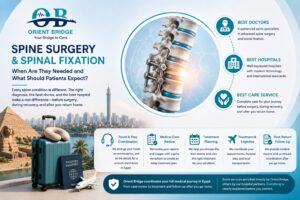
Orient Bridge coordinates the full patient journey. The process begins with a consultant review of your medical case and treatment planning. The team then coordinates appointments, travel arrangements, logistics, and the treatment journey in Egypt. After you return home, Orient Bridge continues coordinating medical reports and communication related to your follow-up.
Some services are billed directly by Orient Bridge, while others are billed by hospital partners. Costs vary according to the individual case, and the responsible provider and applicable costs are explained before you commit.
Choosing between sleeve gastrectomy, gastric bypass, and other bariatric procedures should be based on your medical needs rather than advertising or popularity. Orient Bridge helps you understand your options, find the best doctor and best hospital for your individual case, coordinate your treatment in Egypt, and maintain continuity of care after you return home.