
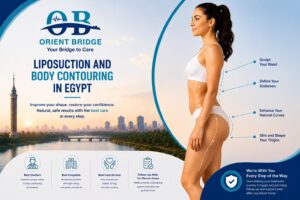


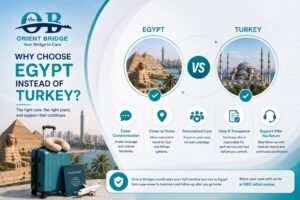
If you are considering liposuction or body contouring in Egypt, the first question is not simply how much fat can be removed. The more important question is which procedure, if any, is appropriate for your body, health, skin quality, and goals. Choosing the best doctor, best hospital, and best care service for your individual case starts with a careful assessment and realistic expectations about what surgery can and cannot achieve.
For international patients, the treatment plan should also cover recovery time in Egypt, travel arrangements, and medical follow-up after returning home.
What Is Liposuction and What Can It Treat?
Liposuction is a surgical procedure used to remove selected areas of fat and improve body contour. It may be considered for areas such as the abdomen, waist, hips, thighs, arms, back, or other locations depending on the patient’s anatomy and the surgeon’s assessment.
Liposuction is not primarily a weight-loss treatment. A patient may lose some weight as fat is removed, but the purpose of the procedure is body shaping rather than treating obesity.
This distinction is important. If significant weight loss is your main goal, a doctor may recommend addressing weight management before considering cosmetic body-contouring surgery.
Skin quality also matters. Removing fat does not necessarily make loose skin tighten sufficiently afterward. If significant excess or sagging skin is present, liposuction alone may not produce the change a patient expects. In these cases, another body-contouring procedure may need to be discussed.
What Does Body Contouring Include?
Body contouring is a broad term rather than one specific operation. It can include liposuction as well as procedures designed to remove excess skin or reshape particular areas of the body.
Some patients consider body contouring after significant weight loss. Others seek treatment following pregnancy or changes in body weight, while some want to address particular areas that remain disproportionate despite maintaining a stable lifestyle.
Depending on the individual case, a surgeon may discuss procedures involving the abdomen, arms, thighs, waist, or other areas. More than one procedure may sometimes be considered, but performing multiple procedures together is not automatically better.
More extensive surgery can mean a different recovery process and additional medical considerations. A responsible surgeon should decide what can reasonably be performed based on your health, anatomy, treatment goals, and overall safety.
The aim should be improvement in proportion and contour—not the pursuit of an unrealistic or standardized body shape.
How Do You Choose the Best Doctor and Best Hospital?
Finding the best doctor for liposuction or body contouring should involve more than looking at social media photographs. The surgeon should have relevant experience with the specific procedure you are considering and should assess your entire situation rather than simply agreeing to the operation you request.
During the consultation, ask which areas can realistically be treated, what technique is being recommended, whether loose skin may remain, where scars may be located if skin-removal surgery is required, and what recovery is expected to involve.
You should also receive a clear explanation of important risks, limitations, and alternatives.
Before travelling to Egypt, an initial case review may be possible using appropriately taken photographs, your medical history, information about previous surgery or weight-loss treatment, current medications, and relevant medical reports. However, the final treatment plan may change after an in-person examination.
The best hospital is not necessarily the most luxurious facility. It should provide the surgical environment, anesthesia, nursing support, and postoperative care appropriate for the procedure and your health requirements.
What Should You Expect Before and After Surgery?
Before liposuction or body-contouring surgery, you may need blood tests or other medical assessments. Tell the medical team about your health conditions, medications, supplements, allergies, previous operations, and any history relevant to surgery or anesthesia. Nicotine use should also be discussed with your surgeon.
After surgery, temporary swelling, bruising, soreness, tightness, or changes in sensation may occur. Depending on the procedure, your surgeon may recommend compression garments and will provide instructions about wound care, medications, movement, sleeping, and gradually returning to normal activities.
Recovery differs considerably between a limited liposuction procedure and more extensive body-contouring surgery involving removal of excess skin.
For international patients, this difference affects travel planning. Being discharged from the hospital does not automatically mean you are ready for a flight. Your surgeon should review your condition and advise when returning home is medically appropriate.
Costs also vary according to the areas treated, extent of surgery, medical facility, anesthesia, investigations, and other services. Accommodation and transportation may be separate considerations for international patients. All costs and billing responsibilities should be clarified before you commit.
Why Does Post-Return Follow-Up Matter?
The recovery process does not finish when you leave Egypt. Swelling can continue to change, wounds may still require care, and questions about activity, garments, medications, or healing may arise after you return home.
You should therefore leave Egypt with clear medical instructions and appropriate documentation, including relevant reports when required. There should also be a clear route for communicating treatment-related questions after your return.
This is where a best care service for international patients should extend beyond simply booking surgery.
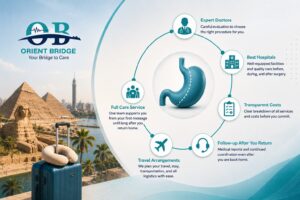
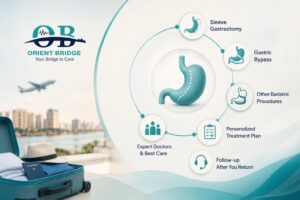
Orient Bridge coordinates the full patient journey, beginning with consultant case review and treatment planning. The team then coordinates the appropriate surgeon and medical facility, appointments, travel, accommodation, transportation, and practical requirements during treatment in Egypt.
After you return home, Orient Bridge continues coordinating medical reports and treatment-related communication when required. Some services are billed directly by Orient Bridge, while others are billed by hospital partners. These responsibilities and costs are made clear before you commit.
Choosing liposuction or body contouring in Egypt should therefore be based on the right procedure for your individual body and health—not simply the largest promised change or the cheapest package. Finding the best doctor, best hospital, and best care service for your case means understanding the trade-offs, planning enough time for recovery, and having continued coordination after you return home.